
Seamless Lab and Diagnostic Machine Integration with LMS Service
OrbioSolutions Pvt Ltd: Seamless Lab and Diagnostic Machine Integration with LMS Service
This case study focuses on Triophore’s development of a critical integration service for OrbioSolutions Pvt Ltd, enabling seamless data exchange between their Lab Management System (LMS) and various diagnostic testing machines. This solution is vital for automating lab workflows and ensuring accurate, timely data flow in a healthcare or scientific research context.
The Challenge: Bridging Disparate Systems in a Lab Environment
OrbioSolutions required a specialized backend service to act as an intermediary, facilitating data translation to and from their LMS (Lab Management System) and diagnostic testing machines. This problem highlights a common challenge in laboratory and healthcare environments:
Interoperability Gap: Diagnostic testing machines, which perform various analyses (e.g., blood tests, genetic sequencing, pathology), often speak different “languages” or use proprietary communication protocols. Similarly, Lab Management Systems, which manage samples, workflows, results, and patient information, have their own data structures and APIs. Bridging this gap is complex.
Data Translation and Standardization: Raw data from testing machines needs to be translated into a format understandable by the LMS, and vice-versa (e.g., sending test orders from the LMS to a machine). This requires robust data mapping and transformation capabilities.
Variety of Protocols: Labs often use a mix of older and newer diagnostic machines, each potentially employing different communication protocols. This can range from modern, standardized healthcare protocols to older, non-standard, or even raw binary formats.
Ensuring Data Integrity: In a lab setting, accuracy and integrity of data are paramount. Any errors in translation or transmission could lead to incorrect diagnoses or flawed research outcomes.
Automation and Efficiency: Manual data entry or transfer between machines and the LMS is time-consuming, error-prone, and inefficient. The goal was to automate this process to improve lab throughput and reduce operational costs.
The Solution: A Versatile Backend Service for Protocol-Agnostic Integration
Triophore successfully designed, developed, and deployed a backend service tailored to OrbioSolutions’ specific integration needs. The solution’s key strength lies in its versatility:
Protocol Flexibility: The service was engineered to communicate via various standard and non-standard protocols. This is a significant achievement, as it allows OrbioSolutions to integrate with a wide array of diagnostic machines, regardless of their native communication method.
Support for Standard Healthcare Protocols: Explicit mention of HL7 (Health Level Seven) and FHIR (Fast Healthcare Interoperability Resources) demonstrates adherence to widely accepted healthcare data exchange standards.
HL7: A legacy but still prevalent standard for exchanging clinical and administrative data between healthcare applications.
FHIR: A newer, more modern standard that uses web-based technologies (like RESTful APIs and JSON/XML) for more efficient and flexible data exchange, gaining rapid adoption.
Handling Raw Binary: The ability to communicate via raw binary protocols is particularly challenging and indicates a deep technical capability. This suggests integration with older or highly specialized machines that do not conform to higher-level protocols, requiring byte-level parsing and encoding.
Seamless Data Flow: The service ensures a smooth and automated bidirectional flow of data:
Test orders and patient demographics from the LMS to diagnostic machines.
Results, calibration data, and status updates from diagnostic machines back to the LMS.
Developed by Triophore: This highlights Triophore’s custom development approach, building a solution precisely to OrbioSolutions’ unique requirements rather than relying on generic, potentially less flexible, off-the-shelf connectors.
Ongoing Maintenance and Support: Triophore’s commitment ensures the service remains robust, adaptable to new machine integrations, and continuously performs optimally, critical for supporting evolving lab operations.
The Tech Stack: Bridging Diverse Protocols with Modern Backend Tools
The chosen technology stack reflects a practical combination of databases, backend development, and a specific focus on handling healthcare data standards:
MongoDB: A NoSQL document database. Its flexible schema is well-suited for handling the diverse and sometimes unstructured data formats that might come from various diagnostic machines or be required by different parts of the LMS. It can efficiently store raw data, transformed data, and metadata for tracking integrations.
Node.js: A JavaScript runtime known for its non-blocking, event-driven architecture. This makes Node.js highly efficient for building integration services that need to handle multiple concurrent connections and process data streams from various sources with low latency, ideal for a system dealing with real-time lab data.
HL7 (Python library reference): While HL7 is a standard, the inclusion of pypi.org/project/hl7/ in the stack implies the use of a Python library specifically designed for parsing and generating HL7 messages. This suggests that while the core backend might be Node.js, Python might be utilized for specific HL7 message processing tasks, perhaps as a microservice or a utility invoked by the Node.js application, leveraging Python’s strong ecosystem for scientific and healthcare data. (Note: The provided markdown directly links to a Python library, which is interesting given the Node.js primary stack. This implies a polyglot approach or specific components developed in Python).
Related Case Studies
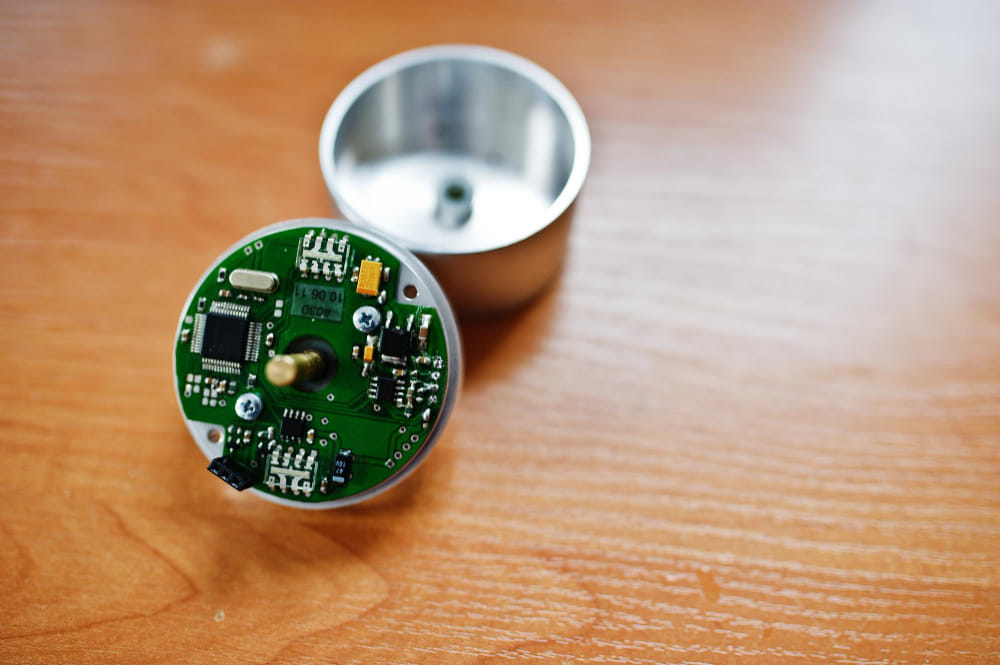
BioSensor Relay Mobile Application
In the rapidly evolving landscape of digital healthcare, remote patient monitoring (RPM) solutions are transforming how medical data is collected and analyzed. LifeSignals INC, a pioneer in wireless biosensor technology, sought to enhance the utility of their innovative Wireless ECG Patch.
Read More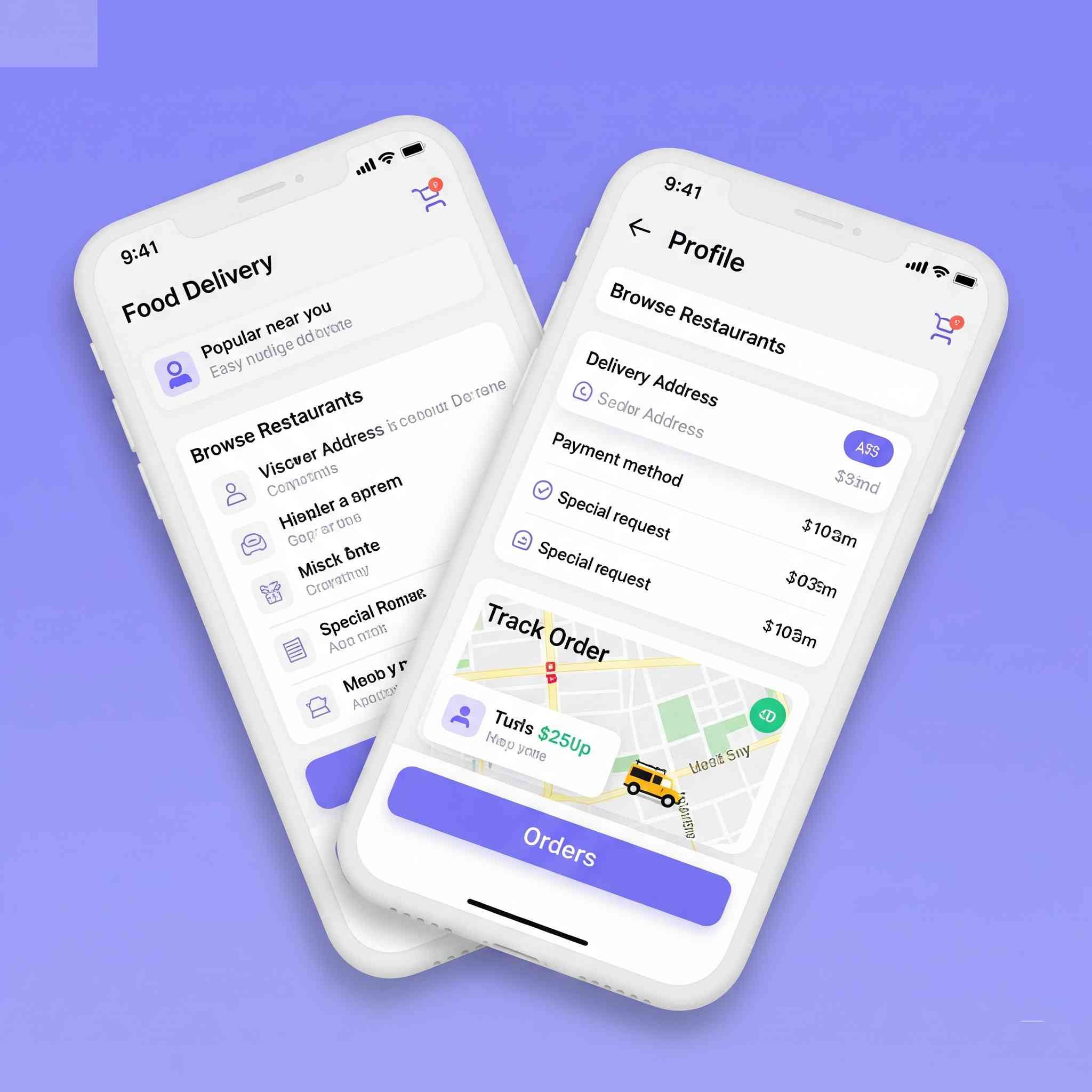
Delivery Agent Mobile Application
Read MoreE Learning Platform for Compass Institute
In the rapidly evolving educational landscape, e-learning platforms have become indispensable tools for delivering flexible, accessible, and engaging learning experiences. Compass Institute, a renowned educational institution, sought to expand its reach and enhance its pedagogical methods by developing a comprehensive online learning platform. Triophore partnered with Compass Institute to design and develop a robust, user-friendly e-learning application that would cater to their diverse student body and course offerings.
Read More